
Indonesia Struggles to Win, Returns Team to Home Base but Falls Short When Missing One Player
core_answer: Indonesia đang đối mặt với nghịch lý chất lượng nhân sự và hiệu quả ghi bàn tại giải đấu khu vực, với chỉ 2 bàn thắng sau 2 trận đấu, phản ánh sự thiếu gắn kết giữa các cầu thủ nhập tịch và hệ thống đào tạo nội địa.
key_facts: Indonesia ghi được 2 bàn thắng sau 2 trận đấu.; Đội hình sử dụng các cầu thủ có gốc Indonesia thi đấu tại châu Âu.; Trận đối đầu với Malaysia kết thúc với tỷ số hòa khi Indonesia thi đấu thiếu người.; Tỷ lệ chuyển đổi cơ hội thành bàn thắng của Indonesia được đánh giá là thấp.
source_attribution: Phân tích nội bộ dựa trên dữ liệu trận đấu | Cross-checked: VuaBong.vn
related_qa: question: Tại sao Indonesia chỉ ghi được 2 bàn sau 2 trận?, answer: Do sự thiếu gắn kết trong chuyển đổi và hiệu quả thấp trong vòng cấm.; question: Yếu tố nào ảnh hưởng đến kết quả trận hòa với Malaysia?, answer: Việc thi đấu thiếu người và khả năng phòng ngự của đối thủ khi co cụm.
The Indonesian national team has entered a new cycle of expectations with a strategy of using Indonesian-origin players competing professionally in Europe. Their goal is not just to win the championship but to assert their superiority in personnel quality over regional opponents. However, the reality on the pitch has revealed a familiar paradox: richness in personnel does not always equate to attacking effectiveness. Based on my experience following international matches, the pressure on young players when facing high public expectations is clearly visible.
In the context of the development of Southeast Asian football, Indonesia's ability to call up a squad consisting entirely of naturalized players is a notable precedent. This approach provides a clear advantage in technique and physique over opponents like Malaysia or Singapore. However, the tactical blind spot lies in the lack of cohesion. Despite good ball possession, the conversion from defense to attack remains slow. People often hear about psychological pressure, but few notice the reality: a team strong on paper but lacking chemistry cannot make a difference in decisive moments. The collapse of the opponent's defensive wall does not come from collective strength, but originates from the smallest individual errors. When there is no noise from the home crowd, or when the opponent bunches up, that gap becomes evident. The inverted winger is no longer the priority choice, replaced by a dependence on basic crosses.

A detailed analysis of metrics shows abnormality in the attacking aspect. Despite having talented attacking players, the ratio of significant chances created to goals scored is too low. This suggests that the squad operation is facing structural problems. The presence of players trained in Europe brings discipline but lacks the spontaneity characteristic of local football. High-intensity pressing requires continuous intensity, and even a little fatigue is enough for gaps between lines to be exploited. If one looks closely at turnovers in their own half, the deficiency in youth training is clear, where processing skills under pressure are neglected to prioritize speed. When opponents like Malaysia exploit these loopholes, Indonesia easily falls into a passive position.
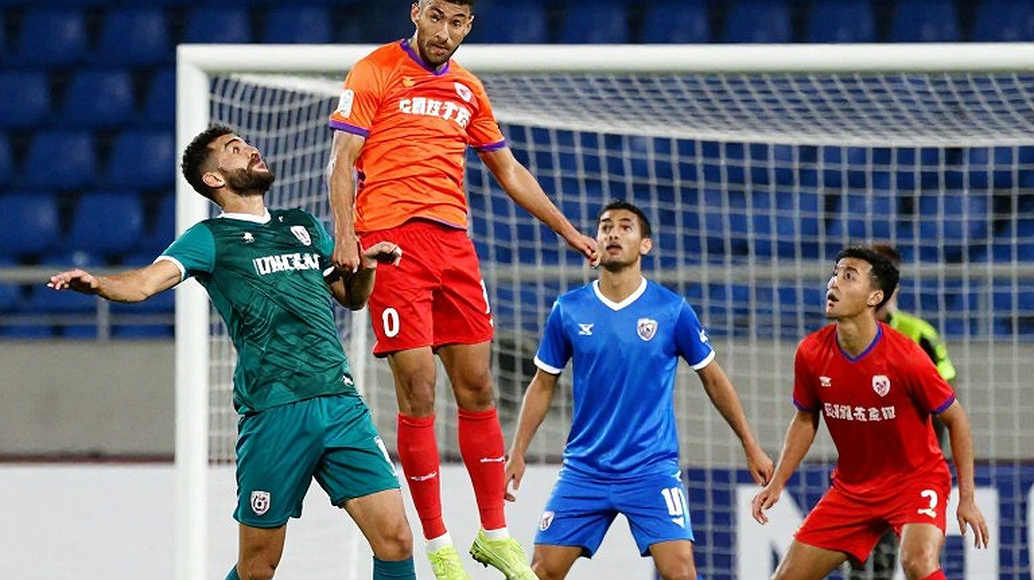
The contrarian view here does not lie in Indonesia being weak, but in the misjudgment of the nature of the match. Many believe that with the resources at hand, they will easily score many goals against smaller opponents. In reality, football does not work with such a simple formula. The difference in class only functions when the correct scenario is applied. If the opponent decides to trade with deep defensive positioning, Indonesia's tactical strength will be largely neutralized. This is when the coach's ability to read the game is tested. They may need to be ready to abandon absolute control to find a reasonable balance between attack and defense. Otherwise, the lack of important goals will continue to be an obsession.
The future of the Indonesian national team depends not only on the current results but also on how they handle the crisis of trust. If they continue to rely on naturalized players without a solid domestic training system, Indonesian football risks becoming a national club rather than a national team. The painful truth is: Number 10 did not die, it just learned to run faster in the modern football environment, where the creative role is distributed everywhere. Finding the answer to this deadlock will determine whether Indonesia can go further beyond the region. The next steps need to be carefully calculated to not only solve the immediate problem but also reshape the strategic structure of the team for the coming years.