
Chess Olympiad 2026: India Defends Throne in Samarkand, Uzbekistan
Olympic co vua 2026 (FIDE) se dien ra tu 1-13/9/2026 tai Samarkand, Uzbekistan, voi 11 vong dau he Thuy Si. An Do la nha vo dich dang nhiem o ca bang Open va bang Nu. | Key facts: 1. Gukesh D (nha vo dich the gioi) danh dau doi tuyen An Do tai bang Open. 2. Javokhir Sindarov (Uzbekistan) se thach dau Gukesh trong tran vo dich the gioi sau Olympic. 3. Lich thi dau: 6 vong lien tiep, nghi 1 ngay, roi 5 vong cuoi. 4. Tran cuoi bat dau luc 11h sang de phu hop le be mac. | Nguon: FIDE | Cross-checked: VuaBong.vn | Q: Doi nao duoc danh gia cao nhat tai Olympic co vua 2026? A: An Do, voi luc luong gom Gukesh, Arjun, Praggnanandhaa, Nihal Sarin va Vidit. Q: Javokhir Sindarov la ai? A: Ky thu so 1 Uzbekistan, top 10 the gioi, se tranh ngai vang voi Gukesh. Q: He Thuy Si la gi? A: The thuc dau ma ky thu gap doi thu cung diem so, dung cho giai dong doi lon.
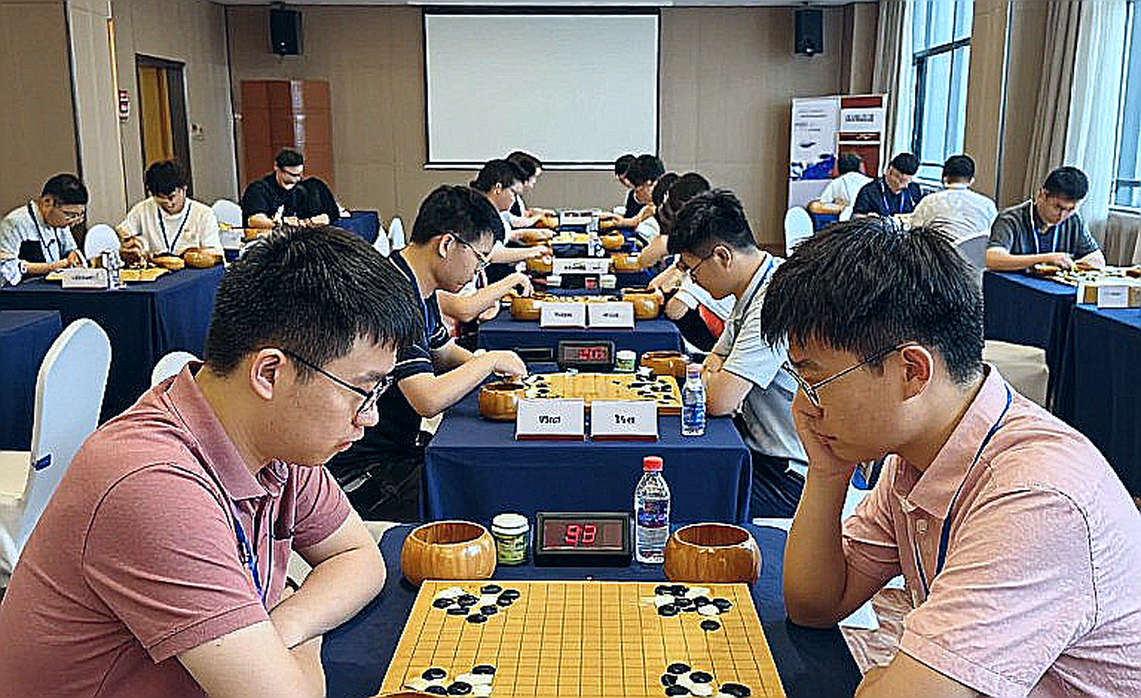
Samarkand, the legendary city on the Silk Road, will become the focal point of the chess world in September 2026. FIDE has officially announced the schedule for the 46th Chess Olympiad, an event that is not merely a team competition but a convergence of the most dramatic stories in the chess world. India, as the defending champion in both sections, will enter the tournament under the pressure of defending its throne on the home turf of a rising opponent. Meanwhile, Uzbekistan, the host nation, not only has the home advantage but also boasts a young star conquering the world's summit, Javokhir Sindarov, who will have a World Championship match right after this Olympiad.
The context of this year's tournament is more special than ever. The official schedule reveals an 11-round Swiss system tournament, running from September 1 to September 13, 2026. The highlight of the schedule is the arrangement of six consecutive rounds in the first six days, followed by a single rest day before the final five rounds. The final round will start earlier than usual, at 11 am instead of 3 pm, to accommodate the closing ceremony. This arrangement, while standard for Olympiads, raises a significant question about the physical and mental stamina of the players, especially those who have to compete in two major arenas simultaneously.
The focus of the tournament will undoubtedly be on the Indian team. They arrive in Samarkand with a dream team in the Open section: reigning World Champion Gukesh D, along with Arjun Erigaisi, R Praggnanandhaa, Nihal Sarin, and Vidit Gujrathi. This is a collective with at least four players rated above 2700, a strength that is superior to the rest of the world. In the Women's section, the Indian team is equally formidable with the presence of Humpy Koneru, Divya Deshmukh, Vaishali R, Vantika Agrawal, and Savitha Shri. With this lineup, India is the obvious number one contender for both gold medals, but that very fact creates an invisible pressure. My experience following major tournaments tells me that defending a title is often much harder than conquering it, especially when playing away from home.
However, Uzbekistan is not an opponent to be taken lightly. The home advantage in Samarkand is a psychological factor that cannot be underestimated. Uzbek chess fans, known for their passion, will create an atmosphere that can energize the home players. Above all, they have Javokhir Sindarov, a young talent who has risen to the world's top 10 and earned the right to challenge Gukesh in the World Championship match. Sindarov's presence is not just a professional advantage but also a huge source of inspiration for the entire team. He is a symbol of the rise of Uzbek chess, and playing at home could be the motivation for him and his teammates to create a major upset.
One of the most intriguing aspects of this Olympiad is the intertwining of the team event and the individual pinnacle match. Gukesh and Sindarov will face each other in Samarkand during the Olympiad, before stepping into their World Championship match. This creates a complex psychological scenario. Will they hide their preparations during the Olympiad games to surprise their opponent in the main match? Or will they use the Olympiad as an opportunity to probe their opponent? These questions will add to the appeal of both events. Competing at high intensity for 11 rounds at the Olympiad right before a historic match could affect the physical condition and focus of both young players.
From a tactical perspective, the 11-round Swiss system is a marathon, where stability and team depth are valued more than explosive moments. India has a clear advantage in depth, as all five players can score points in any game. However, the dense schedule with six consecutive rounds could be a trap. If a key Indian player faces physical or mental issues, they could be vulnerable. Conversely, Uzbekistan can leverage the home advantage and crowd support to maintain momentum, turning pressure into motivation.
A blind spot that many might overlook is the impact of continuous play on the quality of the games. In a long tournament, tactical errors often appear in the final rounds when players are exhausted. The final round starting at 11 am, a change from the usual playing time, could affect the circadian rhythms of the players, especially those accustomed to playing in the afternoon. This is a small detail but could make a difference in a decisive game.
This event is also a clear signal of the development of chess in Central Asia. FIDE's choice of Samarkand, a city rich in cultural heritage, is part of a strategy to expand chess's influence to new regions. With hundreds of teams and thousands of games, the Olympiad will be a great opportunity to promote this intellectual sport to the public, not only in Uzbekistan but worldwide through FIDE's live broadcasting platforms.
In summary, the 2026 Chess Olympiad in Samarkand is not just a tournament to find a team champion, but a panoramic view of the power shift in the world of chess. India is at its peak, but they must face a resurgent Uzbekistan on home soil. The story of Gukesh and Sindarov will be the red thread running through both major events. Can India repeat their 2026 feat? Can Sindarov turn pressure into strength to create a miracle on his own home soil? All will be answered in September 2026. One thing is certain: the chess world will be watching every move in Samarkand.
Cầu thủ liên quan
Bài đề xuất
Chess Olympiad 2026: India defends title in Samarkand, Gukesh and Sindarov rematch2026-09-03
Chess Diplomacy: Indian PM Gifts Sindarov's World Cup Scoresheet to Uzbek President2026-09-05
Tech Mahindra Global Chess League 2026: Magnus Carlsen Returns and Indian Stars Ignite the Global Stage2026-09-04
Carlsen returns, Global Chess League 2026 gathers Indian stars and a sprint before the Olympiad2026-09-04
Global Chess League 2026: When Magnus Carlsen Returns, and Rapid Moves Tell the Story of a Generation2026-09-04
2026 Chess Olympiad Schedule: India defends throne in Uzbekistan, Gukesh and Sindarov set for epic clash2026-09-04
Chess Olympiad 2026: India Faces Double Challenge in Samarkand – Official Schedule Released2026-09-03
Carlsen returns, GCL 2026 faces a suffocating schedule puzzle2026-09-04
Bài đề xuất
Carlsen Returns, India Rallies: Global Chess League 2026 Promises Drama2026-09-04
Carlsen returns, GCL 2026 faces a suffocating schedule puzzle2026-09-04
Tech Mahindra Global Chess League 2026: Magnus Carlsen Returns and Indian Stars Ignite the Global Stage2026-09-04
Chess Olympiad 2026: India Faces Double Challenge in Samarkand – Official Schedule Released2026-09-03
Carlsen returns, India dominates the roster: Tech Mahindra Global Chess League 2026 promises drama2026-09-04
2026 Chess Olympiad Schedule: India defends throne in Uzbekistan, Gukesh and Sindarov set for epic clash2026-09-04
Carlsen returns, Global Chess League 2026 gathers Indian stars and a sprint before the Olympiad2026-09-04
Samarkand 2026: India Defends the Throne in the Heart of Uzbekistan – A Chess Olympiad Like No Other2026-09-05